


Baltimore-based photographer John Dean is exhibiting photos from 1976 at Bonington Gallery in Nottingham, 50 years on from when he was an exchange student at Trent Polytechnic.
I spoke with John about his time here in Nottingham back in the day, how he photographed locals, and why he is excited about having his first ever solo exhibit in the city.
If you’re looking for things to do in Nottingham this March and April, A Semester in Nottingham, 1976 is on at Bonington Gallery until May 9 (boningtongallery.co.uk), and is free to enter. For more features and guides, subscribe to The Notts Edit to receive our articles in your inbox for free.
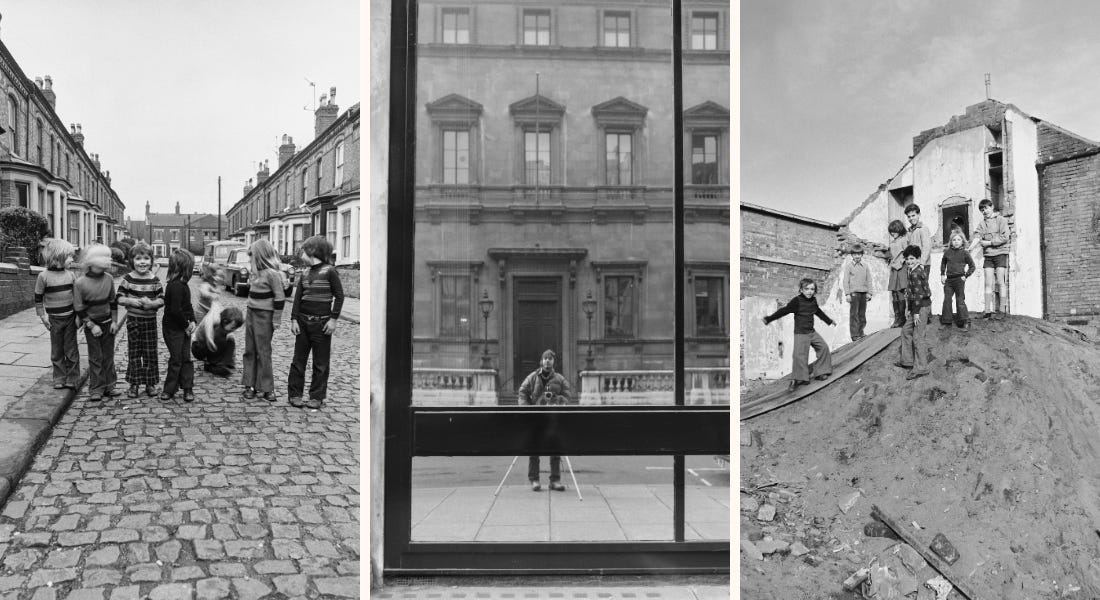
The Baltimore photographer presenting a look back to life in 1970s Nottingham
By Eve Smallman
Photos by John Dean
When walking around Nottingham and its suburbs, even today, vast Victorian houses tower over many of the streets. A cocooning playground for children to make into their empires. However, during the 1970s and 80s, many of these were demolished to make way for modern council houses, disrupting tight-knit communities.
It was a time of change for the city, and a time of change across the globe. New ideas and new perspectives – and a hunger to search for these, too. In Baltimore, a young photography student named John Dean was studying at the Maryland Institute College of Art (MICA) and was about to do just that.
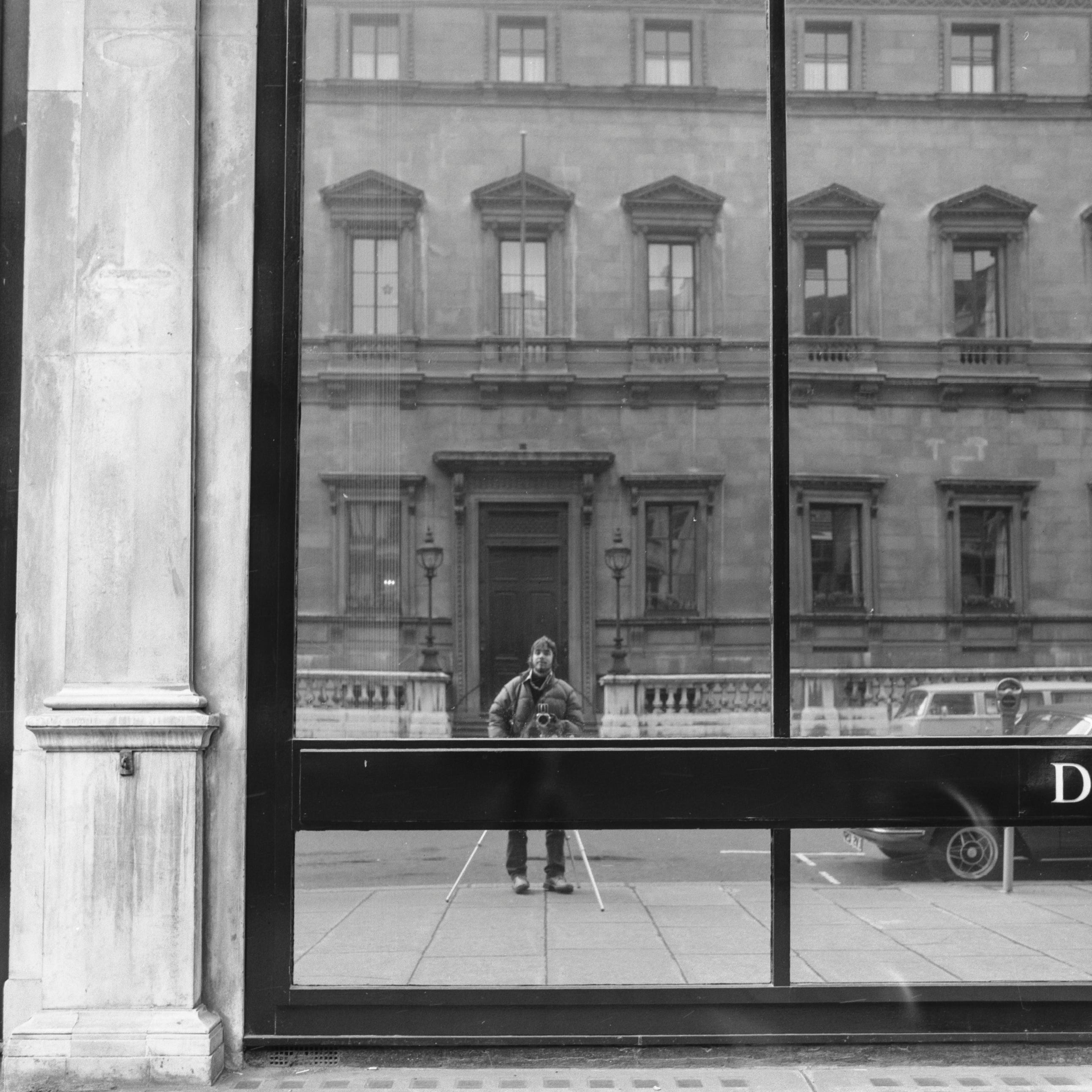
“My photography professor, named Tom Baird, and his friend Thomas Joshua Cooper – who’s still alive and working as a photographer – started this exchange program, probably to visit each other in their respective colleges and just have some fun,” says John. “It was just a great excuse to travel and to open up the two institutions to each other.”
One student came over to MICA, while John came over to Trent Polytechnic. ‘The programme was extended to Derby College of Art as well – and I remember looking at the Derby program and wondering maybe I should have done that, but I was happy in Nottingham.”
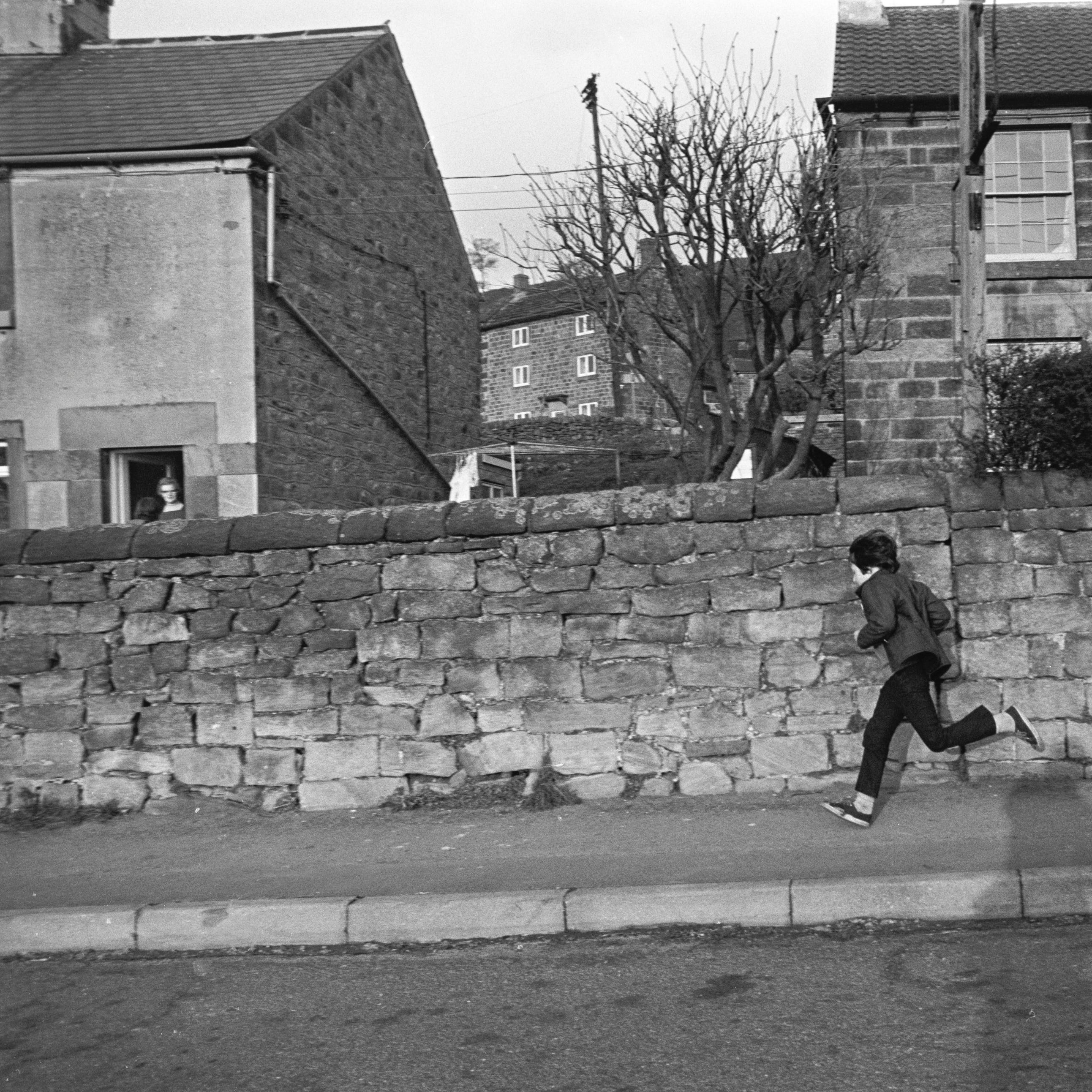
Nottingham and Baltimore might be two cities on opposite sides of the world, but John found they had their similarities. “Nottingham as a city was not unlike Baltimore, and although here I was a little more in the little grittier part of Nottingham than I was in living in Baltimore, it still had all the nice mix of smells you get in a city – I arrived in January, and there was the coal-fired heating, bus fumes, and bakeries.”
He also just loved having a new place to wander around, to be curious about, and to take pictures of – but he was up for exploring, and that he did, finding people and places to capture. “I searched for people in the environment that seemed to be just so much a part of it. I didn’t really have a particular thing I was looking for – I was trying to record my impressions,” John explains.
He continues, “I’d look and see if people were approachable – people you’d want to talk, chat with, and be a friend to,” John explains. “I also got a lot of kids – I find they’re just so natural, and they have like this little pack mentality that happens, and you can kind of see who’s the leader and who’s just there for the fun.” In the exhibition, there are lots of photographs of children in the street, playing in these demolition zones where the Victorian houses were being torn down.
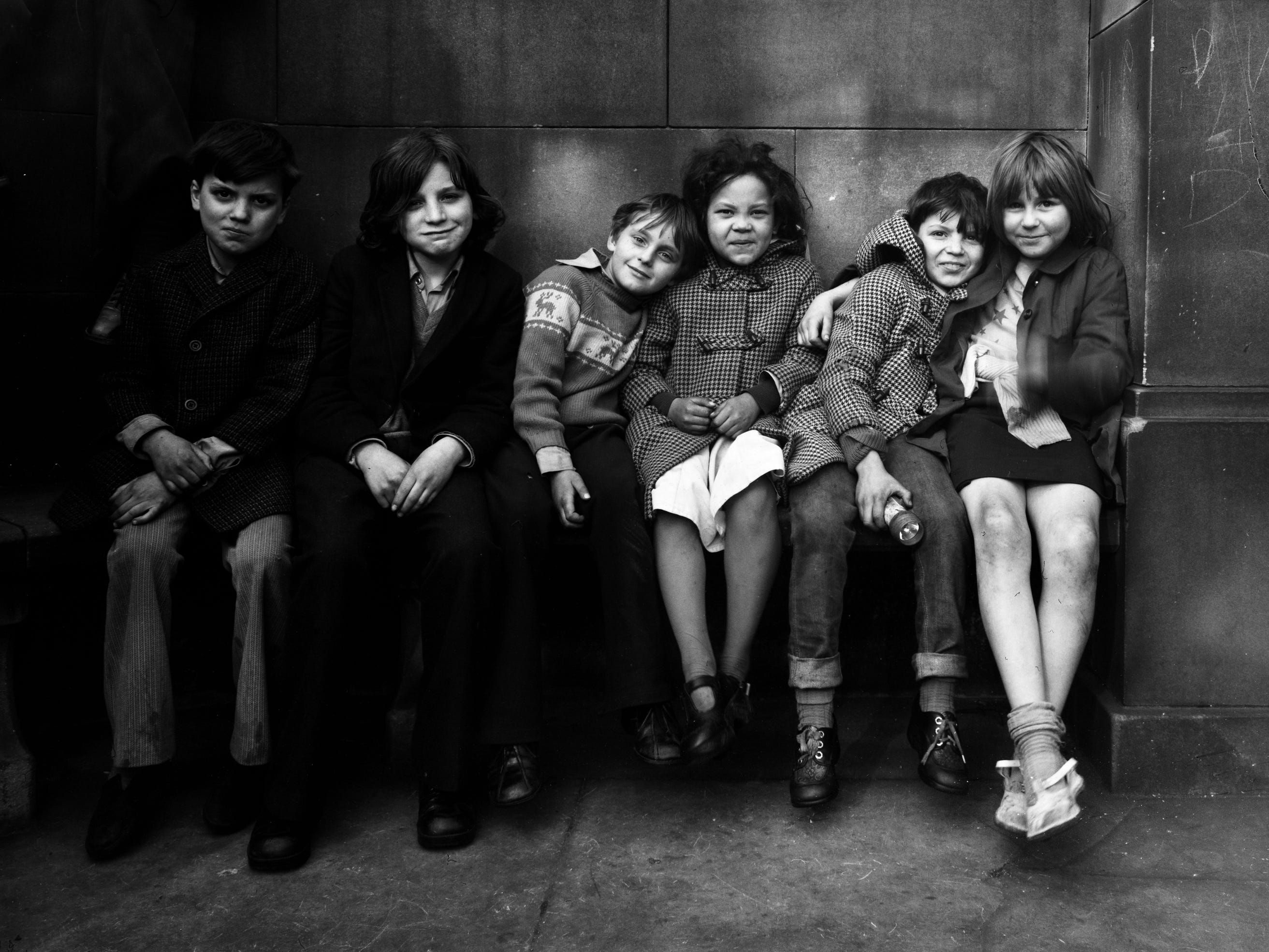
As well as this, there are lots taken in the Arboretum. “Looking back now, the one picture that had some level of success was the picture of the kids on the bench in the Arboretum – it was a really lucky photograph, because I was out with my view camera, which is on a tripod and under the dark cloth,” he says. “It’s a big old thing, and I was taking pictures of people walking by, but these kids were just over to my right. I was looking in the other direction, and they said, ‘Take our picture.’” John spun the camera around and focused. “They scattered away, but there were some funny people that I actually had conversations with and got to know a little better.”
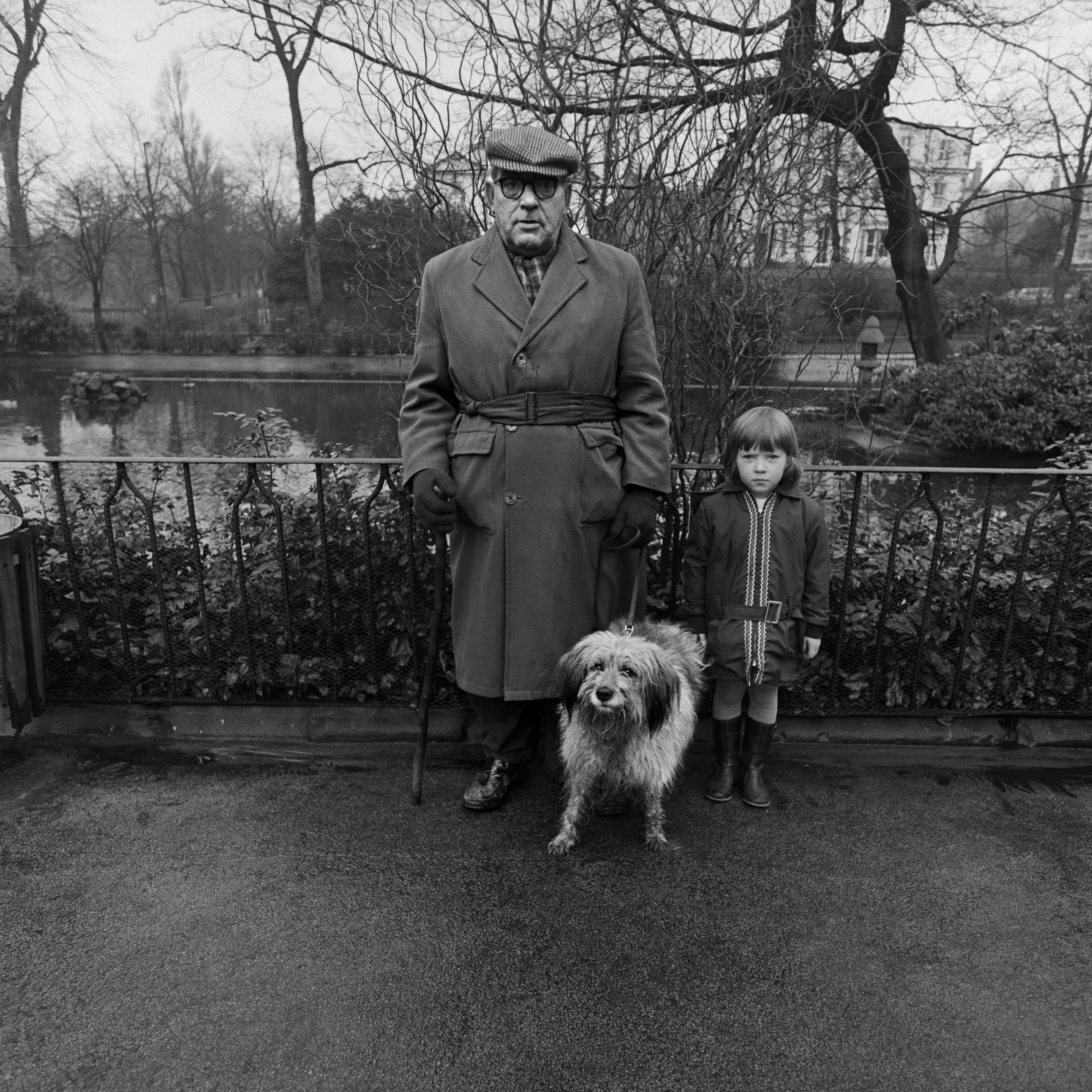
For example, John has repeated photographs of a man named Joe and his dog, Becky. “The one that you might have seen is of Joe, Becky and a little girl – we’d talk about everything, but I particularly remember talking about Larry Adler, the harmonica player from Baltimore.” Funnily enough, Larry even performed with the Nottingham Youth Orchestra in 1996.
Speaking of other Nottingham links to Baltimore – the American city was also going through a time of change in its streets during the 1970s. One notable one was the expansion of a highway through African American neighbourhoods – a project that was stopped by protests by wealthier, whiter members of the public.
Running concurrently next to John Dean’s exhibition in Bonington Gallery is the three-channel film Through a Mirror, Darkly (boningtongallery.co.uk), which explores memorialisation, protest, and political violence through the lens of events in May 1970. “My brother was very big in that moment at the University of Maryland – so I think it’s a nice complementary exhibit, with the two things being about a certain time in history.”
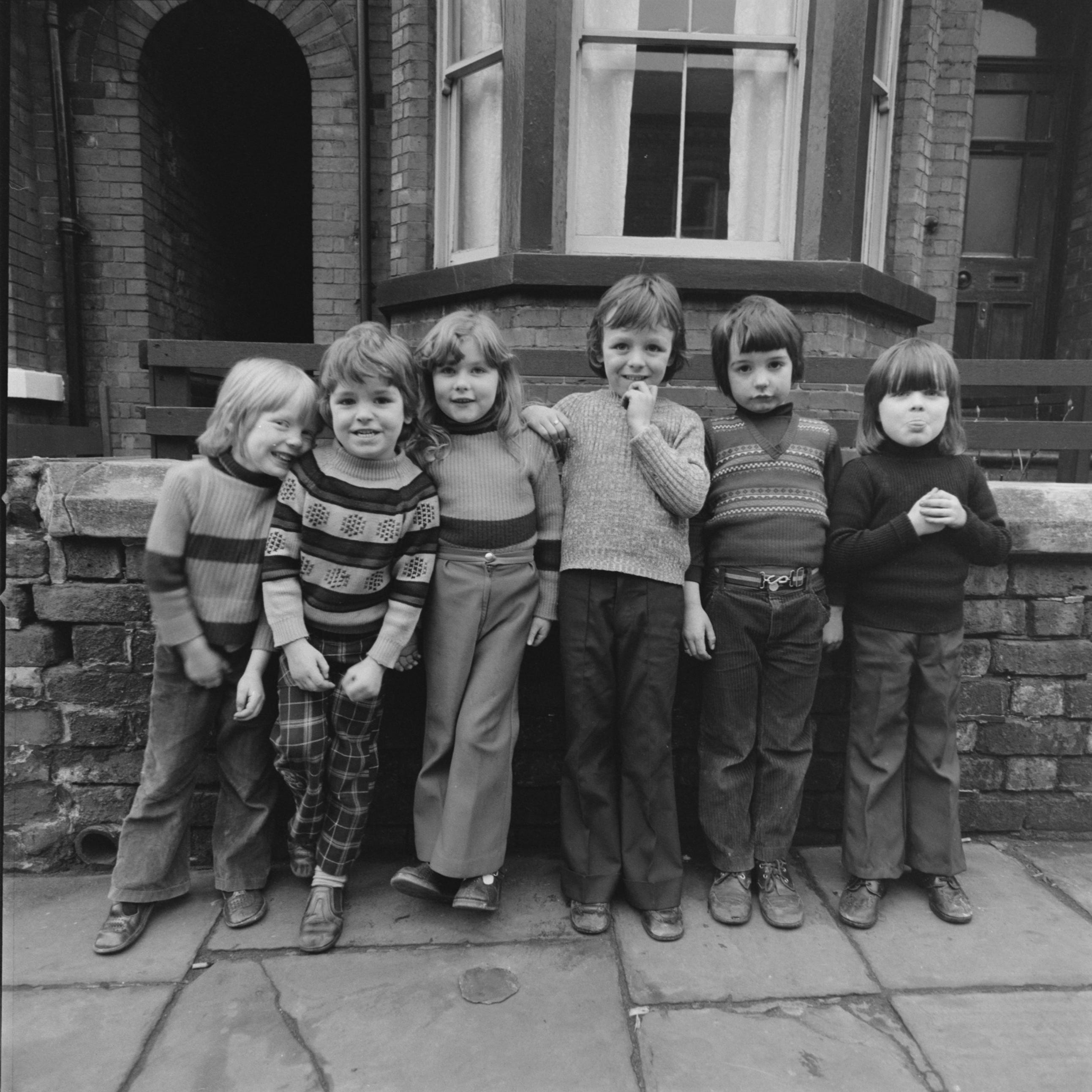
John’s exhibition, A Semester in Nottingham, 1976, came about after he looked at the old negatives of the photos to make digital copies, and realised so many of them hadn’t been seen by anyone, apart from the 12 he showed in a group at the time. “I thought I should call the Nottinghamshire Local History Association and ask them if they’d be interested in showing something from 50 years ago – I got a positive response from them, and they published a newsletter asking if anyone could think where they could go.” Nottingham Trent University (formerly Trent Polytechnic)’s Bonington Gallery was naturally the perfect fit.
In John’s exhibition, wall-to-wall photos are filled with Nottingham streets and people. This took meticulous planning. “My curator Penny Forester built a scale model of it so we could sort of visualise – and we had it right down to the sign for the restroom,” he says. All the photos were printed locally, too. “Having them printed and framed here and then shipping them would have been really expensive.”
When I visited the exhibition on its launch night, crowds were huddled around the pictures, taking photos of them and sending them to their group chats. Exclamations of “That’s me!” and “Why was Joan looking so glum?”. Chatter about why a seven-year-old was looking after a three-year-old – “That’s how it was back in our day.” John was walking around greeting people, camera slung over his shoulder – I got a quick hello in, but he was constantly being stopped by people excited to meet him.
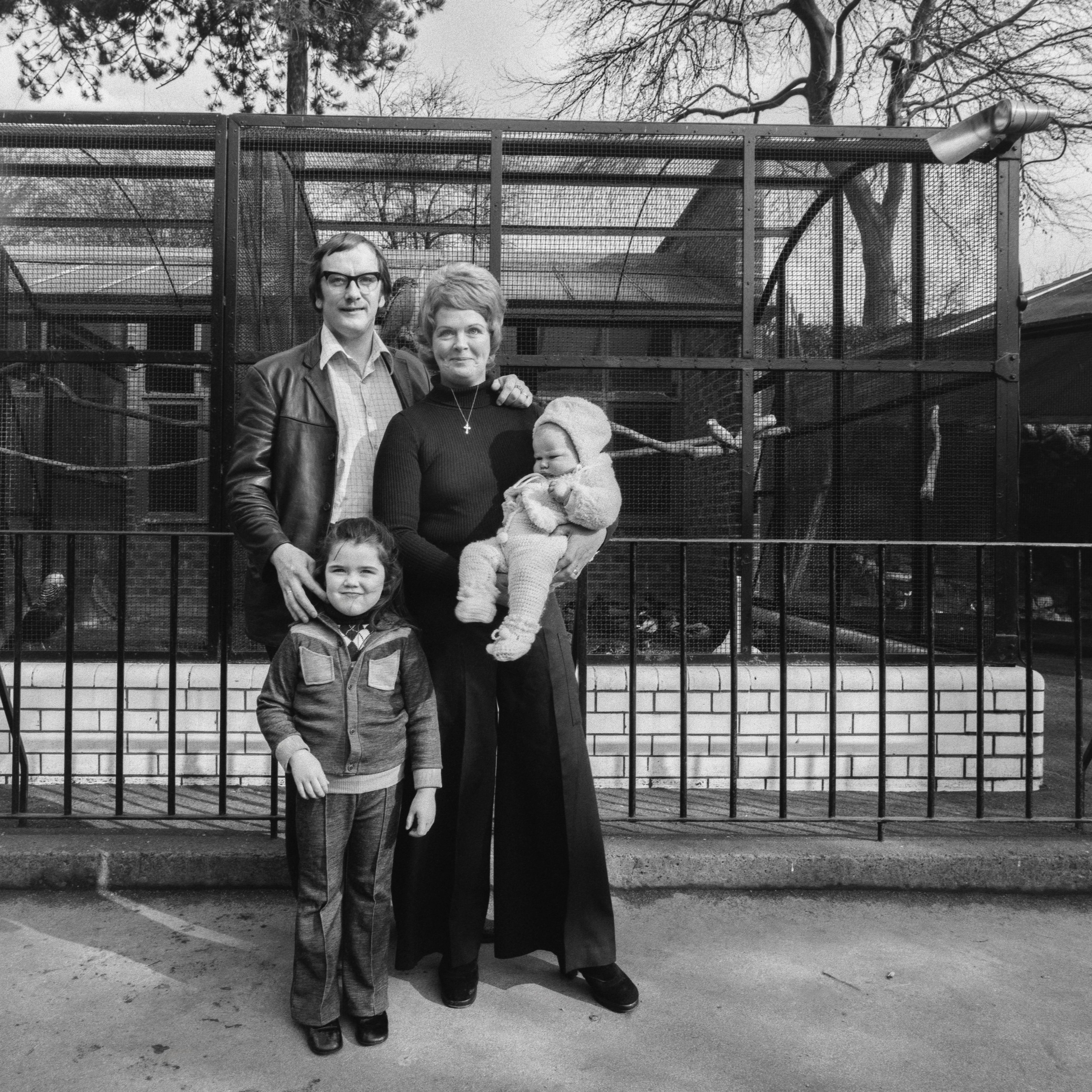
From scale model to full-on exhibition, John Dean’s first-ever exhibition has come to life. “I’ve just been working as an independent freelance photographer, and it’s so encouraging to have my personal work so front and centre at this point in my winding-down career,” he says. “I’m hoping to photograph some people again in the Arboretum, if by chance, some of the same people I photographed as kids are still living there. That would be just the icing on the cake.”
While in Nottingham, he’s reuniting with the family that hosted him when he was an exchange student. “They’re going to be there, and I’ll see that the one-year-old that I used to take out on the stroller – I’ll see him as a 51-year-old, and that’ll be interesting,” he says. “I’m also the photographer for two travel guides from a publisher called 111 Places – I did the photographs for 111 Places in Baltimore and Washington, DC, so I’m meeting Rachel Ghent, who did the book for Nottingham and also Derby.”
He’s also bringing family and friends – including his friend from school in Baltimore, who visited him as an exchange student in Nottingham. “When I had a little break in the program at Nottingham, we met in London, and we went to Brighton – so that’s a real exciting part of it,” he says. “We’re going to try to find some good places to eat, just relax, and have a good time.”
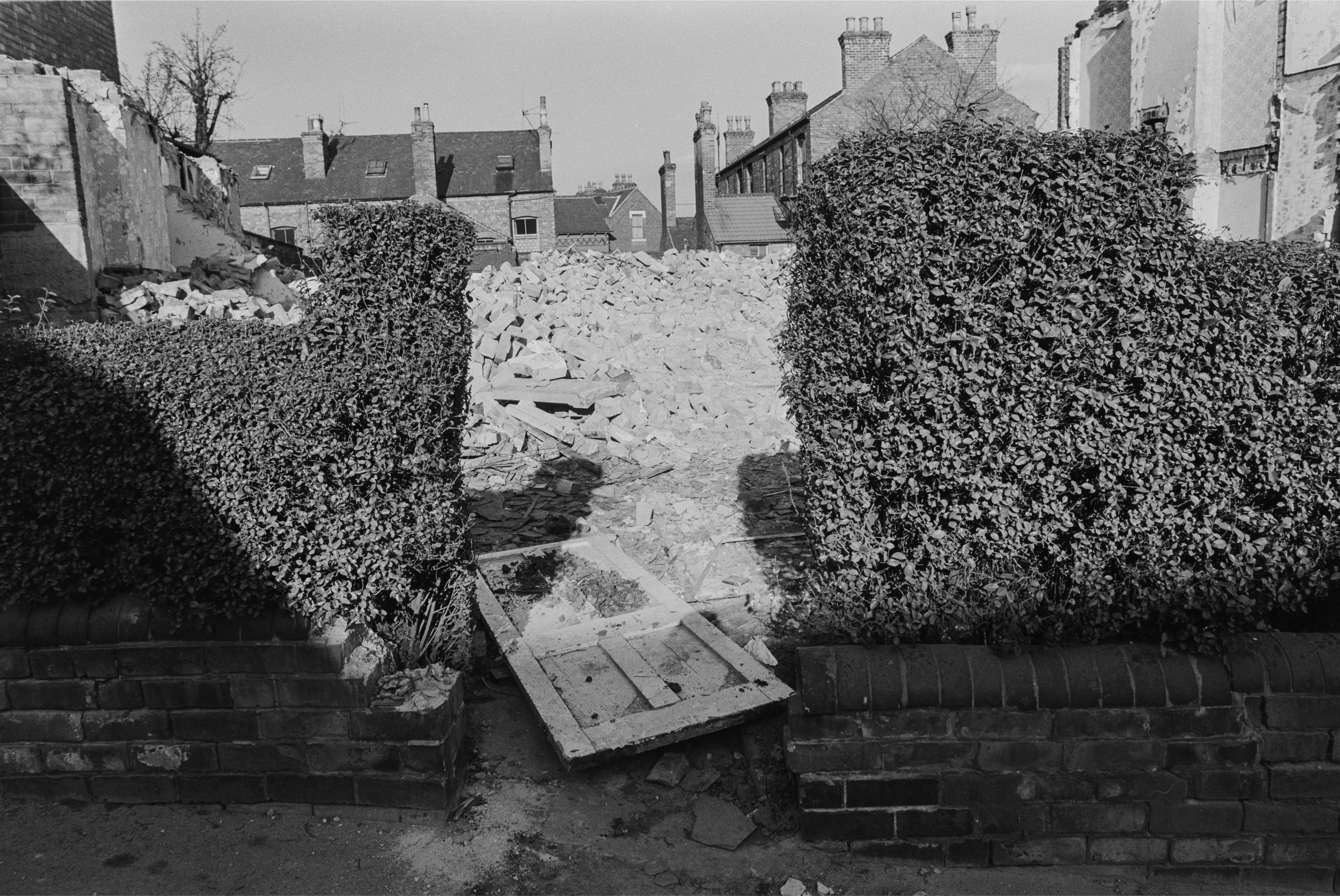
The exhibition is a real time capsule of places and faces. It makes for fascinating viewing, whether you recognise them or not. John says, “If you’re old enough to remember that time, there’s the obvious nostalgia angle and remembering the way we were and, if you’re a younger person, there’s also the fact that maybe we haven’t changed that much.”
He continues, “There’s something about looking back and comparing what was what then to what’s there now – that’s a universal human expression of curiosity,” John finishes by saying. “I think anybody would enjoy that.”
A Semester in Nottingham, 1976 is exhibiting at Bonington Gallery until May 9. boningtongallery.co.uk
🤳 Keep up with us on socials on Instagram and TikTok
✉️ Send stories such as press releases and feature ideas to editor@thenottsedit.com
💰 Want to feature your business in The Notts Edit? Email Eve Smallman at editor@thenottsedit.com to receive our media pack
☕ Enjoying The Notts Edit? Buy us a coffee on Ko-Fi and help fuel our words